
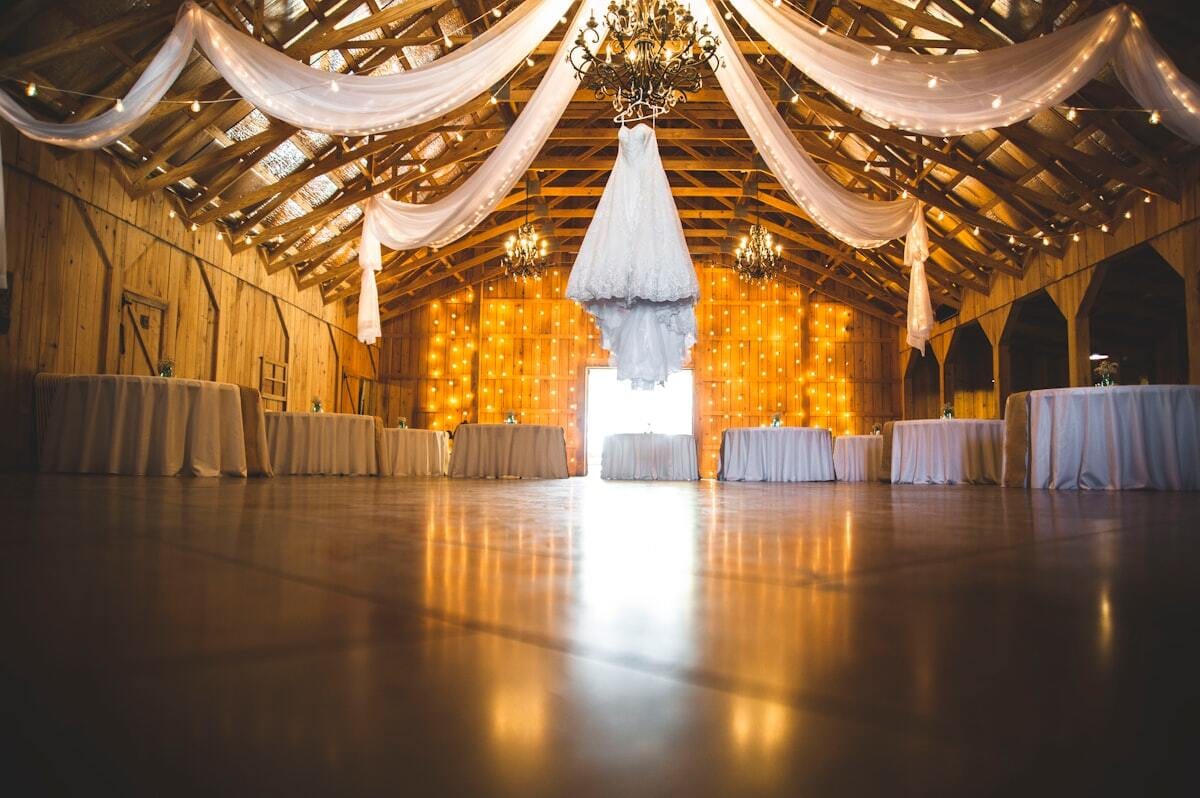
A product launch venue is more than just a backdrop—it's the foundation of your event's success, shaping how attendees and media perceive your brand. The right space amplifies your message, creates buzz, and leaves a lasting impression, making your product launch venue a strategic marketing tool. At SpacePal, we specialize in curating spaces that transform announcements into unforgettable experiences, whether you're unveiling cutting-edge tech or premium lifestyle products.
Why Venue Choice Matters for Product Launches
The product launch venue you select directly impacts engagement metrics, media coverage quality, and attendee recall. Consider Apple's iconic launches at the Steve Jobs Theater—its minimalist design reinforces their brand ethos while offering seamless tech integration. A well-chosen venue aligns with your brand identity while providing practical advantages:
- Tech products thrive in modern lofts with interactive demo stations (like Samsung's use of VR zones during Galaxy launches)
- Luxury items demand elegant settings—Chanel often selects Grand Palais Paris for its architectural grandeur
- B2B solutions benefit from convention centers with robust AV capabilities (see Salesforce's Dreamforce events at Moscone Center)
Venues with distinctive features—like waterfront views or industrial-chic decor—boost social sharing by 40% according to EventMB research. When attendees post about your event, the product launch venue becomes an extension of your marketing narrative.
Key Factors to Consider When Selecting a Venue
1. Brand Alignment
Your product launch venue should be a 3D expression of your brand. Tesla's Cybertruck reveal in a raw aerospace hangar mirrored their disruptive ethos. Evaluate:
- Does the space complement our brand aesthetics? (Compare Google's playful colorful events vs. Mercedes-Benz's sleek showrooms)
- Can we customize it to enhance our theme? (Like IKEA's pop-up apartments showcasing products in lifelike settings)
- Does it offer photogenic elements? (Rooftop venues generate 58% more Instagram posts than ballrooms)
2. Capacity and Layout
Microsoft's Surface launch utilized a hybrid theater-style setup for presentations with experiential zones—a model worth emulating. Key considerations:
- Allow 15 sq ft per guest for comfort during demos
- Ensure clear sightlines for product reveals (angled seating works better than flat rows)
- Include dedicated media zones with charging stations
3. Location and Accessibility
Analyze your audience demographics—while downtown venues attract media, suburban locations may better suit distributor-focused launches. Essential checks:
- Within 10 minutes walk of major transit hubs (increases attendance by 25%)
- Valet parking for VIP attendees (used effectively at Louis Vuitton's product launches)
- Helipad access for high-profile events (common at automotive reveals like Porsche)
4. Technical Infrastructure
Oculus' VR demos require specific technical specs—your product launch venue must match your needs:
| Feature | Minimum Requirement | Ideal Specification |
|---|---|---|
| Bandwidth | 50 Mbps | 100+ Mbps dedicated line |
| Power outlets | 1 per 2 guests | 1 per guest + 20% spare |
| Ceiling height | 12 ft | 18+ ft for aerial displays |
For more technical planning tips, see our guide on how to plan an unforgettable product launch event.
Unique Venue Ideas to Spark Conversation
1. Industrial Lofts
Adobe's MAX conference transformed a Brooklyn warehouse into an immersive digital playground, showcasing how raw spaces enhance tech branding. Benefits:
- High ceilings accommodate large installations (like Intel's floating drone displays)
- Exposed utilities simplify AV rigging
- Open floorplans enable creative zoning (see how Sonos created "sound neighborhoods")
2. Rooftop Terraces
Bulgari's jewelry launches at Mandarin Oriental rooftops demonstrate how elevation adds exclusivity. Strategic advantages:
- Natural lighting reduces photography costs
- Skyline backdrops increase social shares by 72%
- Weather contingency plans are easier (retractable roofs or adjacent indoor spaces)
3. Unconventional Spaces
When Dior transformed the Louvre's Cour Carrée into a runway, they proved historic venues create indelible memories. Other innovative product launch venue options:
- Decommissioned factories (like the Tate Modern's Turbine Hall for BMW art cars)
- Subway stations (used temporarily by Spotify for playlist launches)
- Yachts (like the Miami Sea Ray Yacht for intimate luxury reveals)
4. Pop-Up Locations
Nike's SNKRS pop-ups in urban centers drive hype through scarcity—limited-time venues create urgency. Implementation tips:
- 3-5 day rentals in high-foot-traffic areas (minimum 50,000 daily pedestrians)
- Modular designs for quick rebranding (like Samsung's convertible Galaxy S launch cubes)
- Local partnerships (Glossier's pop-ups collaborate with neighborhood cafes)
Practical Tips for Booking the Perfect Space
- Conduct lighting tests at the same hour as your event—natural light shifts dramatically (learned from GoPro's golden hour launch miscalculation)
- Require fiber internet for live streaming—4K video needs 25 Mbps upload speed minimum
- Audit acoustics with a decibel meter—concrete spaces echo above 75dB (fixable with draping, as Bose did for their speaker launch)
- Secure exclusivity clauses to prevent competitor events nearby (common practice in automotive launches)
For deeper insights, explore our article on why flexibility is key in 2026 event planning.
Final Thoughts
Selecting the ideal product launch venue requires balancing brand theater with practical logistics. Whether you choose a converted industrial space like Adidas' Brooklyn Creator Farm or a cultural landmark like the Sydney Opera House (used by Huawei), prioritize venues that tell your product's story before you say a word. Ready to explore extraordinary spaces? Browse handpicked venues on SpacePal to discover the perfect stage for your next industry-shaking reveal.
Frequently Asked Questions
Why is venue choice important for a product launch?
The right venue significantly impacts engagement, media coverage, and attendee recall. It acts as a strategic marketing tool and aligns with brand identity, amplifying your message and creating a lasting impression on attendees and media.
What practical advantages does a well-chosen venue offer?
A good venue aligns with brand identity and offers practical benefits such as fostering interactive demo stations for tech products, providing elegant settings for luxury items, or offering robust AV capabilities for B2B solutions. Distinctive features also boost social sharing.
What are key factors when selecting a product launch venue?
Key factors include brand alignment (matching brand aesthetics and allowing customization), capacity and layout (ensuring comfort and clear sightlines), location and accessibility (proximity to transit, parking), and technical infrastructure (bandwidth, power, ceiling height).
What are some unique venue ideas for product launches?
Unique ideas include industrial lofts for tech, rooftop terraces for exclusivity, and unconventional historical spaces like decommissioned factories or temporary subways. Pop-up locations also create hype through scarcity and urgency.
What are some practical tips for booking the perfect space?
It's advised to conduct lighting tests at the event hour, require fiber internet for live streaming, audit acoustics to address echo, and secure exclusivity clauses to prevent competitor events nearby. These steps ensure a smooth and effective launch.