
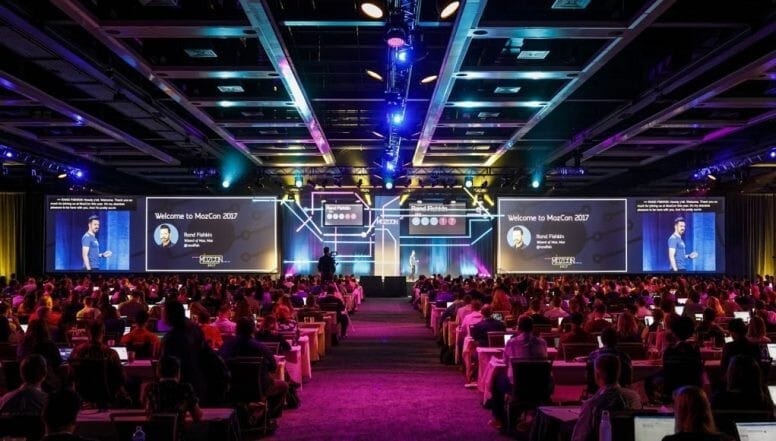
Planning a product launch event is an exciting yet challenging task. It's your opportunity to make a lasting impression, generate buzz, and connect with your audience. Here's a step-by-step guide to help you create an unforgettable experience that will set your product apart in today's competitive market.
Why Is a Product Launch Event Important?
A product launch event sets the tone for how your product is perceived. It's not just about showcasing the product but also creating an experience that resonates with your audience. Whether you're targeting industry professionals, media, or customers, a well-planned event can amplify your brand's visibility and credibility.
The Psychological Impact of Live Experiences
Studies show that live events create 35% stronger emotional connections than digital interactions alone. When attendees can touch, feel, and experience your product firsthand, they're 72% more likely to remember your brand. This is why companies like Apple invest heavily in their launch events - they understand the power of sensory engagement.
Case Study: Successful Tech Launches
Looking at recent successful launches like the iPhone 15 or PlayStation 5 reveals common patterns. These events combine theatrical reveals with hands-on demo areas, creating both excitement and practical understanding. For example, Sony's PS5 launch featured interactive gaming stations where attendees could test the new controller's haptic feedback technology.
How to Choose the Perfect Venue
The venue sets the stage for your event, so it's crucial to choose wisely. Consider factors like capacity, location, and ambiance. For example, a sleek loft in Palermo may suit a tech product launch, while a rooftop terrace with city views could be ideal for a lifestyle brand. Use platforms like SpacePal to find versatile spaces that align with your vision.
Venue Selection Criteria
When evaluating potential venues, create a scoring system based on: accessibility (proximity to public transport), technical capabilities (AV equipment, WiFi bandwidth), and flexibility (setup/teardown time). For food and beverage services, compare in-house catering costs versus bringing your own vendors - this can affect your budget by 15-20%.
Hidden Costs to Watch For
Many first-time event planners overlook additional venue expenses like security deposits (typically 25-30% of rental fee), overtime charges (average /hour after scheduled end time), and cleaning fees. Always request a complete breakdown of all potential costs before signing any contracts.
What Elements Should You Include in Your Event?
Every product launch event should have key elements to engage and captivate your audience. Here's a checklist:
• Introduce your brand story and product's unique value proposition
• Interactive product demos or hands-on experiences
• Engaging presentations or keynote speakers
• Networking opportunities for attendees
• Photo-friendly setups for social media sharing
Creating Effective Product Demos
The most successful demos follow the "show, don't tell" principle. Instead of explaining features, create scenarios where attendees experience them naturally. For a smartwatch launch, set up fitness challenges that showcase heart rate monitoring. For software, design guided walkthroughs that highlight key functionalities in real-world contexts.
The Power of Influencer Participation
Incorporating relevant influencers can amplify your reach by 3-5x. Identify micro-influencers (10k-50k followers) in your niche who have highly engaged audiences. Provide them with exclusive access or special demo areas - this often generates more authentic content than paid promotions.
How to Create a Memorable Atmosphere
The atmosphere of your event plays a huge role in its success. Lighting, decor, and music can transform a space and evoke emotions. For instance, warm lighting and natural decor can create a welcoming vibe, while bold colors and modern furnishings can convey innovation. Don't forget to incorporate your brand's identity into the design.
Sensory Branding Techniques
Go beyond visuals by engaging all five senses. Signature scents (like Apple's clean, citrusy aroma in stores) increase brand recall by 40%. Tactile experiences - letting attendees feel premium materials - can justify higher price points. Even background music tempo affects perception; faster beats create energy while slower tempos encourage careful product examination.
Lighting Design Strategies
Professional lighting designers use three-point systems: key lights on products (5000K temperature for accurate color rendering), fill lights for even illumination, and backlights for depth. Dynamic lighting changes during different event phases (entrance vs demo time) can subtly guide attendee focus and energy levels.
What Technologies Can Enhance Your Event?
Leverage technology to elevate your product launch. Consider:
• Live streaming the event for a wider audience
• Using augmented reality (AR) to showcase product features
• Interactive displays or touchscreens for hands-on demos
• Social media walls to display attendee posts in real-time
AR/VR Implementation Guide
Augmented reality works best for products with spatial qualities (furniture, tech gadgets). Simple AR markers can let attendees view 3D models from their phones - no special equipment needed. For deeper immersion, set up VR stations with Oculus headsets showing product applications in virtual environments.
Data Capture Systems
RFID badges or beacon technology can track attendee movement patterns, showing which demo stations get most traffic. This data helps optimize future events. Pair with quick survey kiosks (2-3 questions max) to gather immediate feedback while experiences are fresh.
How to Promote Your Event Effectively
Promotion is key to ensuring a successful turnout. Use a mix of channels like email marketing, social media, and influencer partnerships. Create teaser content that builds anticipation, such as behind-the-scenes videos or sneak peeks of the product. Additionally, collaborate with industry media for event coverage.
Multi-Channel Campaign Timeline
Start promotions 6-8 weeks out with save-the-date emails (35% open rate). Ramp up with weekly social posts featuring countdowns and speaker spotlights. In final two weeks, launch targeted ads (CPC averages for event keywords). Day-of, geofenced mobile ads can capture nearby walk-ins.
Press Outreach Strategies
Create a media kit with embargoed materials (releases go live at event start). Target trade publications 3 months ahead for calendar listings. Offer exclusive pre-event interviews to top-tier reporters - they're 60% more likely to attend if given early access.
What Should You Do After the Event?
The event might be over, but your efforts shouldn't stop there. Follow up with attendees via email, thanking them for their presence and sharing highlights from the day. Collect feedback to improve future events and continue engaging with your audience through social media and content marketing.
Post-Event Content Repurposing
Edit keynote speeches into 3-5 minute tutorial videos. Transcribe panels for SEO-rich blog posts. Create comparison infographics showing your product vs competitors using data from demo interactions. This content has 3x longer shelf life than pre-event materials.
Lead Nurturing Sequences
Segment attendees by engagement level (demo tried vs just attended). Send tailored follow-ups: detailed specs to highly engaged leads, brand story content to casual attendees. Include limited-time offers (15% discount for 7 days) to convert event interest into sales.
Why Partner with Professionals?
Planning a product launch involves numerous details, from logistics to branding. Partnering with professionals like event planners or production teams can ensure everything runs smoothly. Platforms like SpacePal also simplify the process by offering expertly curated venues tailored to your needs.
Vendor Selection Process
When hiring event professionals, request portfolios of similar product launches. Check references specifically about problem-solving abilities - 82% of events encounter last-minute issues. Negotiate contracts with clear deliverables and penalty clauses for non-performance.
ROI Measurement Framework
Professional teams help track meaningful metrics beyond attendance numbers. They can measure media impressions, social engagement rates, and most importantly, sales pipeline growth attributed to the event. This data justifies future event budgets to stakeholders.
Frequently Asked Questions
Why are product launch events important for a new product?
Product launch events establish initial perceptions, build buzz, and create lasting impressions. They serve to amplify brand visibility, enhance credibility, and connect with your target audience, setting the tone for the product's journey.
How do live events affect audience engagement compared to digital interactions?
Live events create a stronger emotional connection, which can be 35% more robust than digital interactions. Attendees are also 72% more likely to recall a brand after experiencing its product firsthand at a live event.
What elements are essential to include in a product launch event?
Key elements include introducing your brand story and product's unique value, interactive product demonstrations, engaging presentations or speakers, networking opportunities, and photo-friendly setups for social media sharing.
How can technology enhance a product launch event?
Technology can elevate an event through live streaming, augmented reality (AR) to display product features, interactive displays for demos, and social media walls to show attendee posts in real-time.
What sensory branding techniques can make a product launch more memorable?
Incorporating signature scents can boost brand recall by 40%. Tactile experiences can justify higher prices, and background music tempo can influence the event's energy and perception of the product.