
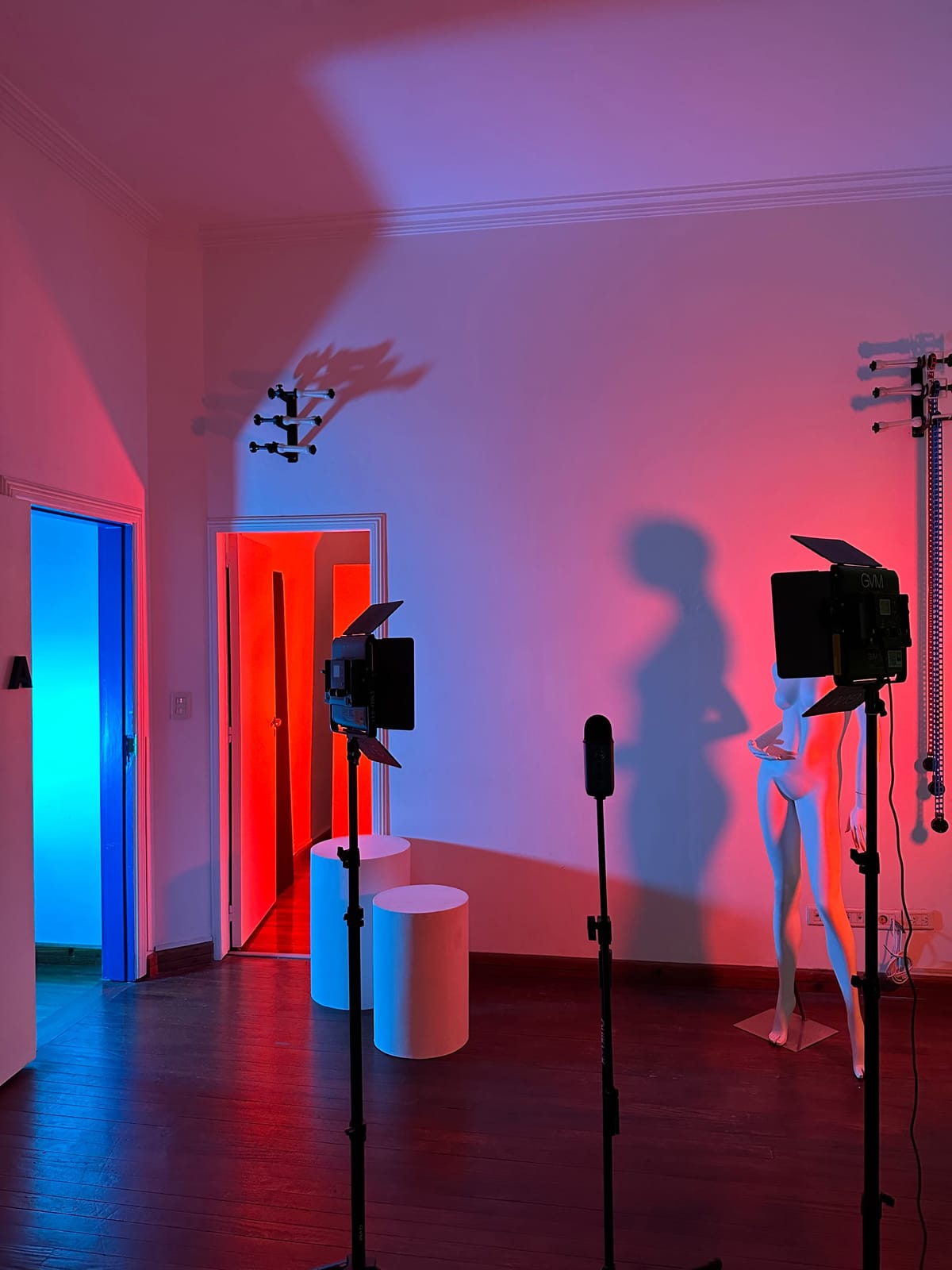
Finding the ideal content shoot location can make or break your project. Whether you're filming a commercial at an urban loft or shooting a product series in a minimalist studio, the right space sets the tone and enhances your creative vision. At SpacePal, we specialize in connecting creators with versatile production spaces that elevate their work. Here's how to pinpoint the perfect spot for your next content creation session.
What Are Your Content Shoot Requirements?
Before searching for a location, define your project's needs:
- Type of content: Is it a video shoot, photo session, or audio recording?
- Space size: How much room do you need for equipment, crew, and talent?
- Lighting conditions: Natural light, studio lighting, or a mix?
- Amenities: Do you require dressing rooms, Wi-Fi, or power outlets?
- Accessibility: Is the location easy for your team and equipment to reach?
Technical Specifications for Different Shoot Types
For video production spaces, you'll typically need at least 500 sq ft for a basic setup with 10-foot ceilings to accommodate lighting rigs. Photo studios often require seamless backdrops and cyclorama walls, while podcast recording spaces need soundproofing with noise levels below 30dB. Many professional content shoot locations now offer 360° green screen capabilities for virtual production.
Budget Considerations
Production space rentals range from /hour for basic studios to +/hour for premium locations with built-in equipment. Remember that urban content shoot locations often command 20-30% higher rates than suburban alternatives, but may offer better accessibility for your crew.
How to Match the Location to Your Creative Vision
Your content shoot location should align with your brand or story. Consider these elements:
- Aesthetic: Industrial lofts suit edgy campaigns, while minimalist studios work for clean, modern looks.
- Versatility: Can the space adapt to multiple scenes or setups?
- Atmosphere: A rooftop with skyline views adds drama, while a cozy café creates intimacy.
Case Study: Fashion vs. Tech Shoots
High-fashion brands often select production spaces with architectural details like exposed brick or steel beams - the Industria Superstudio in NYC (2,500 sq ft at /hr) is a prime example. Tech product shoots typically require clean, white-box environments with infinity coves, such as Milk Studios' spaces that feature seamless white cycloramas.
The Psychology of Space Selection
Research shows content created in authentic locations (real homes vs. soundstages) generates 28% higher engagement. This explains why brands increasingly opt for lived-in production spaces over sterile studios. The right content shoot location can subconsciously communicate brand values - rustic spaces suggest authenticity, while high-tech studios imply innovation.
Where to Search for Content Shoot Locations
Instead of generic searches, use specialized platforms like SpacePal to find curated production spaces. Look for:
- Dedicated studios: Designed for shoots, often with backdrops and equipment
- Unique venues: Rooftops, warehouses, or historic buildings for standout backdrops
- Flexible spaces: Convertible lofts or event spaces that can be styled as needed
Emerging Location Trends
The demand for hybrid indoor/outdoor production spaces grew 42% in 2023, with features like operable glass walls becoming premium amenities. Another rising trend is "location libraries" - curated collections of content shoot locations that can be virtually toured before booking.
Hidden Gem Locations
Many creators overlook unconventional but highly photogenic spaces like university campuses (offering diverse architecture), public libraries (with dramatic lighting), or even empty retail spaces (providing large, adaptable footprints). These often provide more affordable alternatives to traditional studios.
What Logistics Should You Consider?
Even the most stunning content shoot location won't work if it's impractical. Ask:
- Permits: Are there restrictions on noise, hours, or equipment?
- Parking/transport: Is there space for crew vehicles or easy public transit access?
- Load-in/out: Can you move equipment in easily?
- Backup plans: Does the venue have contingencies for weather or technical issues?
Technical Infrastructure Checklist
When evaluating production spaces, verify: 200-amp electrical service (minimum), HVAC systems (to prevent equipment overheating), and rigging points (for lighting setups). Many professional content shoot locations now provide detailed technical riders specifying these capabilities.
Insurance Requirements
Most premium production spaces require -2 million in liability coverage. Some locations charge additional fees for equipment over consultar tarifa in value. Always clarify insurance requirements before booking your content shoot location.
How to Ensure a Smooth Shoot Day
Once you've booked your content shoot location, prepare thoroughly:
- Confirm details: Double-check access times, contact persons, and rules
- Bring essentials: Extension cords, clamps, or extra props
- Communicate: Share location info and schedules with your team in advance
Pre-Production Walkthroughs
Conducting a tech scout at your content shoot location 1-2 weeks before production can prevent 80% of common issues. Bring your DP, gaffer, and key department heads to assess lighting conditions, power availability, and acoustic properties.
Day-of Coordination Tips
Establish clear zones at your production space: a designated equipment area, talent holding, and client viewing station. Use floor tape to mark camera positions and lighting setups if you'll be returning to the same content shoot location for multiple days.
Why Unique Locations Elevate Your Content
Standout production spaces add authenticity and memorability to your work. Instead of defaulting to generic studios, explore unconventional content shoot locations like:
- Art galleries with striking installations
- Converted warehouses with raw textures
- Outdoor terraces with natural backdrops
The ROI of Location Selection
Premium content shoot locations typically increase production costs by 15-25%, but can boost engagement metrics by 40% or more. The distinctive character of unique spaces makes content more shareable and memorable - Vogue's shift from studio to real-world locations increased their social media engagement by 62%.
Future-Proofing Your Location Choices
With virtual production gaining traction, forward-thinking creators are selecting content shoot locations that offer both physical appeal and technical infrastructure for hybrid shoots. Spaces with LED volume walls or pre-rigged virtual production capabilities are becoming premium options.
Ready to find your ideal content shoot location? Explore SpacePal's curated production spaces tailored for creators like you.
Frequently Asked Questions
What specific factors should I consider before choosing a content shoot location?
Before selecting a location, define your content type, required space size, desired lighting conditions, necessary amenities like Wi-Fi or dressing rooms, and accessibility for your team and equipment.
What are the technical space requirements for different types of shoots?
Video production typically needs at least 500 sq ft with 10-foot ceilings. Photo studios often require seamless backdrops and cyclorama walls. Podcast recording spaces need soundproofing below 30dB. Many offer 360° green screen capabilities.
How do location aesthetics impact content and brand perception?
The location's aesthetic should match your brand. Industrial lofts suit edgy campaigns, while minimalist studios work for clean looks. Authentic, lived-in spaces generate higher engagement and can communicate brand values, like rustic for authenticity or high-tech for innovation.
Where can I find unique or specialized content shoot locations?
Instead of generic searches, use specialized platforms like SpacePal for dedicated studios, unique venues (rooftops, warehouses), and flexible spaces. Also consider unconventional spots like university campuses, public libraries, or empty retail spaces.
What logistical details are crucial to confirm once a location is chosen?
Verify permits, parking/transport options, ease of equipment load-in/out, and inquire about backup plans for weather or technical issues. Also, confirm insurance requirements, with many premium spaces needing -2 million in liability coverage.