

In 2026, choosing an event space is no longer a simple decision based on size or availability. The way people work, create and celebrate has changed—and so has the way they search for venues.
Today, planners, brands and creators are looking for spaces that adapt to their ideas, not the other way around. This shift is redefining the event industry and reshaping what makes a venue truly valuable.
Here’s how people are choosing event spaces in 2026—and why platforms like SpacePal are becoming the go-to solution.
1. The rise of “use-first” venue selection
Instead of starting with “How many people?”, the first question in 2026 is:
“What do I need to do in this space?”
Events are increasingly purpose-driven:
- brainstorming sessions
- team offsites
- content creation
- workshops
- private celebrations
- hybrid meetings
Spaces are chosen based on functionality, not tradition. Venues that clearly show what they’re good for—through photos, layouts and real setups—are winning the decision.
This is where curated platforms matter: they help users quickly match use case + space.
2. Hourly booking is the new standard
Long, all-day rentals are becoming less common. In 2026:
- meetings last 2–3 hours
- shoots are planned by blocks
- events are designed to be efficient
Booking by the hour allows people to:
- control budgets
- avoid wasted time
- plan more intentionally
SpacePal’s hourly model fits perfectly with this mindset, making it easier to book exactly what’s needed—nothing more, nothing less.
3. Spaces must be camera-ready
In 2026, almost every event produces content. That means venues are evaluated through a new lens:
- How does it look on video?
- Is the lighting natural or adjustable?
- Are backgrounds clean or visually interesting?
- Is there enough space for cameras and equipment?
Even corporate events are planned with content in mind. Spaces that are visually versatile have a clear advantage—and are increasingly prioritized on platforms like SpacePal.
4. Discovery beats familiarity
People are no longer searching for “the usual venue.”
They want:
- unique locations
- creative atmospheres
- spaces with personality
Instead of booking the same places over and over, users prefer platforms that help them discover new spaces they wouldn’t find on their own.
Curated marketplaces outperform generic directories because they inspire ideas, not just provide options.
5. Direct communication builds trust
In 2026, trust is built through transparency.
Users expect:
- real photos
- clear pricing
- honest descriptions
- direct messaging with hosts
Spaces that communicate clearly—and platforms that facilitate that connection—reduce friction and speed up decisions. This is one of the key reasons why centralized booking platforms continue to grow.
6. Location is about experience, not just distance
Choosing a space is no longer just about proximity.
People now consider:
- neighborhood vibe
- accessibility
- surroundings
- nearby services
An event’s location is part of the story. Platforms that allow filtering by area, style and context make it easier to align the venue with the experience.
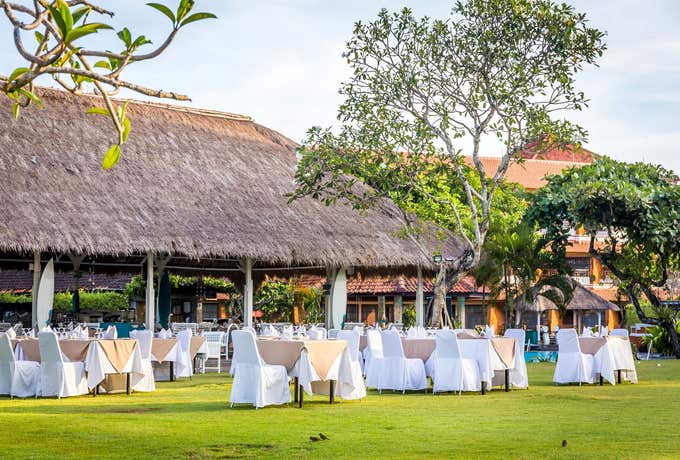
The future of event spaces is flexible, visual and on-demand
In 2026, the best spaces are:
- adaptable
- easy to book
- visually strong
- aligned with real use cases
And the best way to find them is through platforms designed for modern planning.
👉 Explore flexible, creative spaces for events and productions:
https://space-pal.com/p